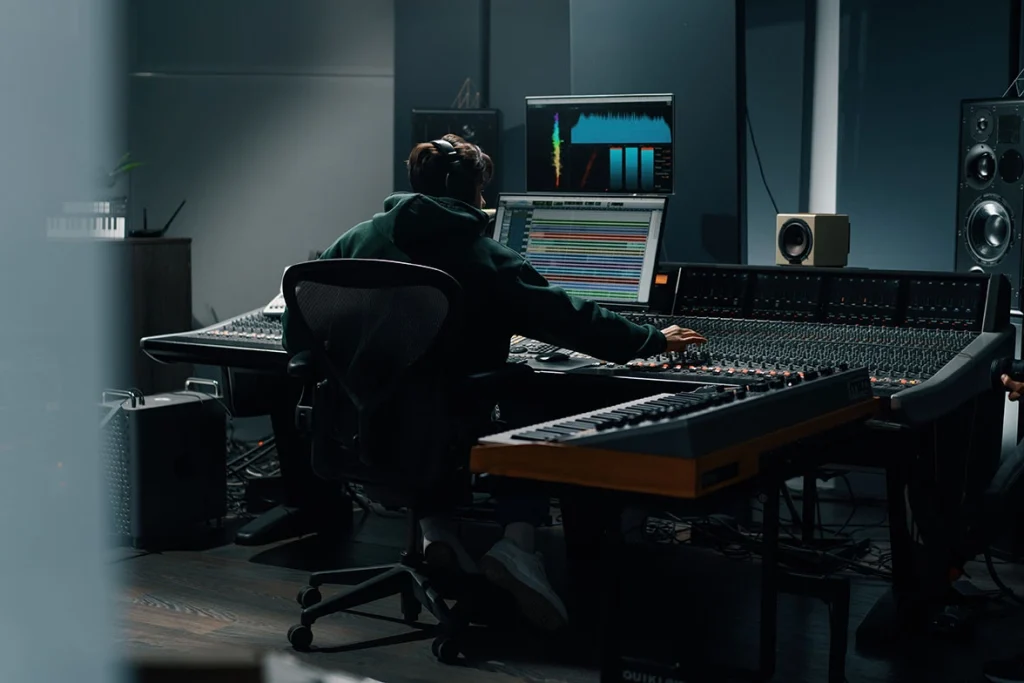
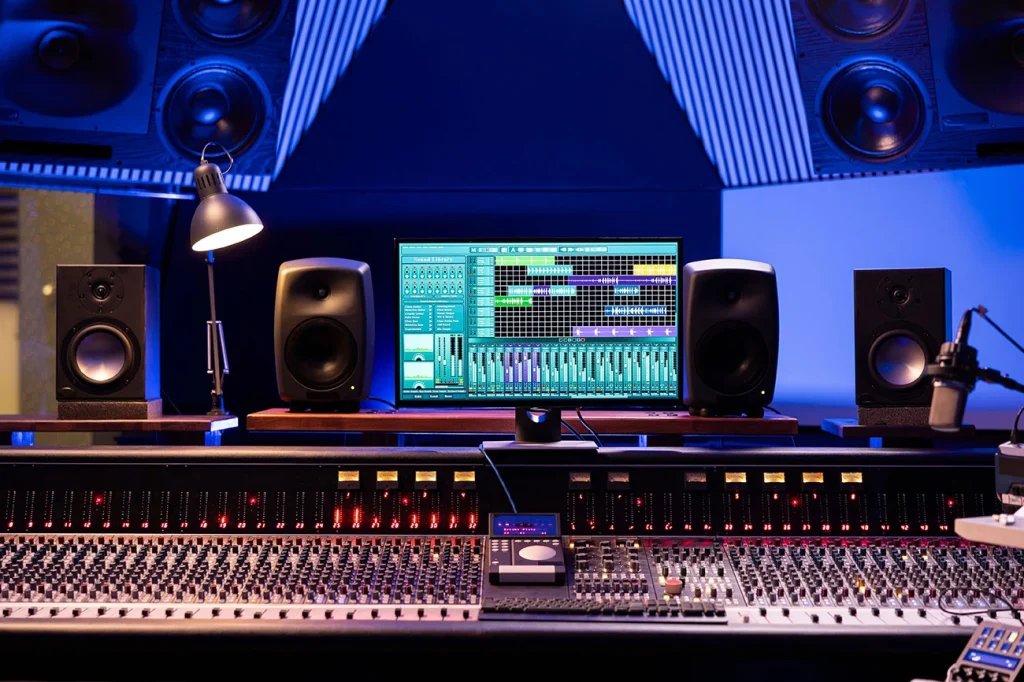
I always start with a punchy kick and build from there. Sampling drums from old records is a great way to get a nice, thick groove going, as they’re already processed and can really keep things flowing when you’re in creative mode. Choosing high-quality samples is key — the drums are the foundation of your track, so don’t cut corners. Spend time on them; it’s always worth it!
I usually start with a bass synth that my ear likes that day and something that gels with the drums I already have. SH-101, Diva, and SubBoomBass are all common plugins that find their way into my productions nearly every time.
Honestly, I don’t have a set way of working when it comes to synths. I just play what feels good on the day — sometimes using synths, sometimes going through loops and one-shots to see if anything inspires me. I’m always looking for ways to build energy in my music in different ways.
I just go for sounds that my ears like. Sometimes I throw in one-shots or loops, but they don’t have to stay in the project. If I like the groove or melody, I can use it just to inspire me to play something else.
I’d say give everything space. There’s nothing worse than stacking sounds on top of each other — all it does is suck the energy out of the sound you liked in the first place. If you like a sound, focus on it. Try new plugins (even stock ones) and find ways to make the sound more interesting and make it gel in your mix. When you look back at the chain you’ve created, you’ll often find something unique that no one has done. Save it and use it again on another track!
Sample packs are a great way to get inspiration for your track, especially if you don’t know exactly what you’re looking for melodically. But as I said earlier, the samples don’t have to stay in the project. I like to throw a loop in if I like the melody, the sound, or even the swing, and let that inspire me to create something new.
Workflow is so important — 9 times out of 10, my best tracks have been the quickest ones to make.